FREE LEGS WORKOUT
Beginner dumbbell leg and glute workout
This dumbbell leg and glute workout trains your quads, hamstrings, glutes and calves in about 32 minutes. You need a pair of dumbbells and some floor space, so it works at home or in a quiet corner of the gym.
It suits beginners who want a simple lower-body day with a clear plan: one squat, one hinge, one single-leg exercise, one glute exercise and one calf exercise.
- LevelBeginner
- EquipmentDumbbells
- Time~32 min
- Volume5 exercises · 14 sets
The workout: Grow Glutes & Legs
Train the exercises in this order. The time includes a five-minute warm-up.
| # | Exercise | Sets × target | Rest | Cue |
|---|---|---|---|---|
| 1 | Dumbbell Goblet Squat | 3 × 10–12 reps | 90 s | Elbows inside knees, chest tall. |
| 2 | Dumbbell Deadlift | 3 × 8–12 reps | 90 s | Hips back, dumbbells close, flat back. |
| 3 | Split Squats | 2 × 8–10 reps per side | 60 s | Each side: back knee drops straight down. |
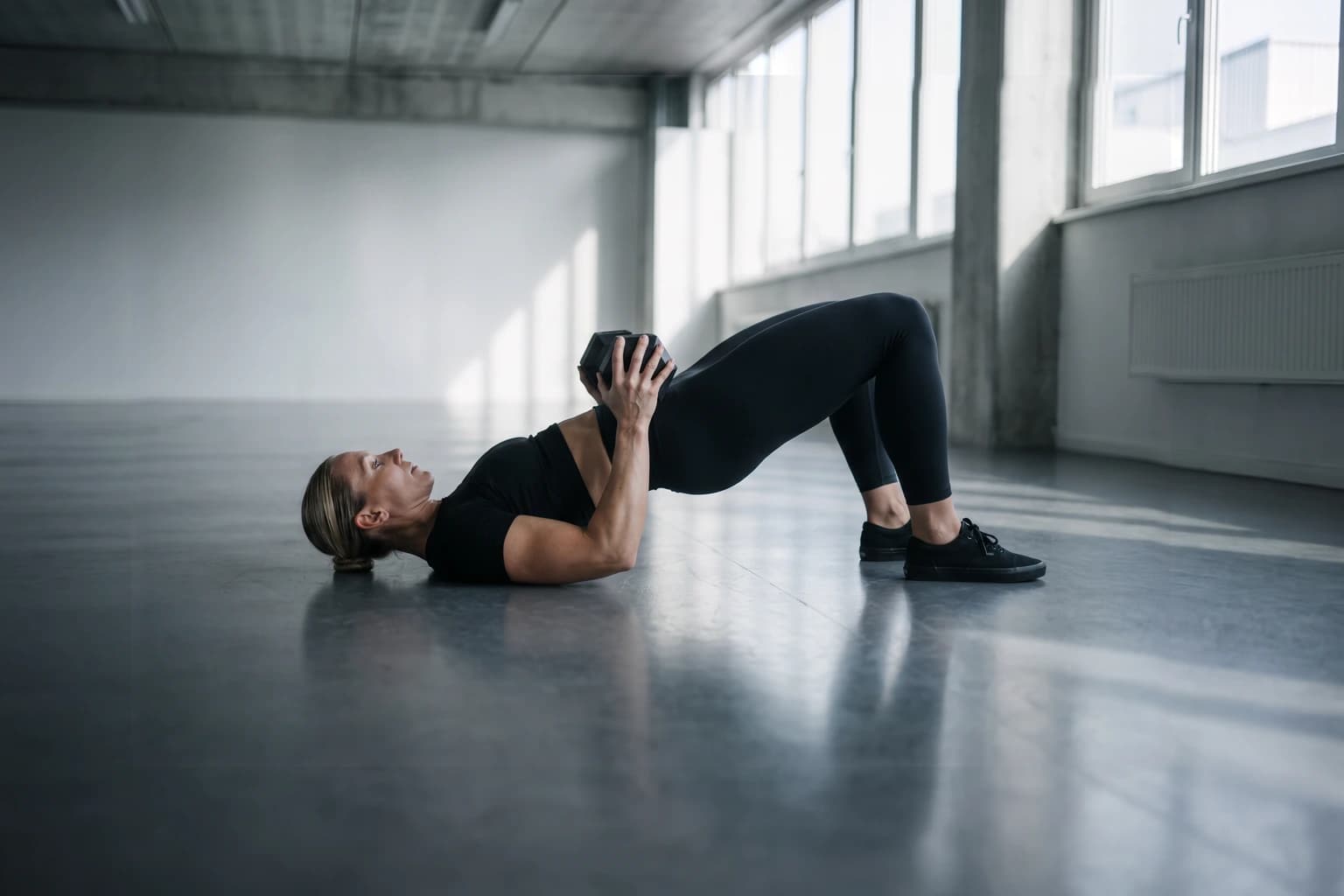
| 4 | Low Glute Bridge On Floor | 3 × 12–15 reps | 60 s | Dumbbell on hips, squeeze glutes at top. |
| 5 | Dumbbell Standing Calf Raise | 3 × 12–15 reps | 45 s | Full stretch at bottom, pause at top. |
How to run this lower-body day
Warm up for five minutes with brisk walking, bodyweight squats and a few hip hinges. Then do one light set of the Dumbbell Goblet Squat before your working sets. Keep the listed order: the squat and the Dumbbell Deadlift need the most focus, so they come first.
Rest 90 seconds after each set of the first two exercises and 45–60 seconds after the others. Pick a weight that leaves two or three reps in reserve. Your last rep should look like your first.
Technique notes for the squat and the deadlift
For the Dumbbell Goblet Squat, hold one dumbbell vertically against your chest. Sit down between your heels with your chest tall and your elbows inside your knees. Go as deep as you can while your heels stay down and your back stays flat.
For the Dumbbell Deadlift, push your hips back and keep the dumbbells close to your legs. Your knees bend a little, but most of the movement comes from the hips. Stand up by squeezing your glutes, and do not lean back at the top. If your lower back rounds, use lighter dumbbells or a shorter range.
Split squats and glute bridges
The Split Squats are 8–10 reps on each side. Take a long stance and let your back knee drop straight down toward the floor. Finish all reps on one leg, then switch. Start with bodyweight, and hold dumbbells only when both sides feel steady.
For the Low Glute Bridge On Floor, rest a dumbbell across your hips and hold it in place with both hands. Drive through your heels, lift your hips until your body forms a line from knees to shoulders, and squeeze your glutes at the top for a moment.
How to progress
Use double progression. Stay with one weight until you reach the top of the rep range on all sets, for example 12 reps on the goblet squat. Then go up to the next dumbbell and build back up from the bottom of the range.
If you own only a few dumbbells, add reps first, then slow the lowering phase to three seconds. On the Dumbbell Standing Calf Raise, a full stretch at the bottom and a pause at the top make the same weight harder.
Where it fits in your week
Do this workout once or twice a week, with at least two days between two leg sessions. An upper-body day fits well in between. If your legs are still very sore when the next session comes, take an extra rest day.
Simple adjustments
If the Split Squats feel unstable, hold a wall or the back of a sturdy chair with one hand. If the floor feels hard during the glute bridge, put a folded mat under your back. Keep the sets and reps the same.
Related workouts
Strong Legs Day
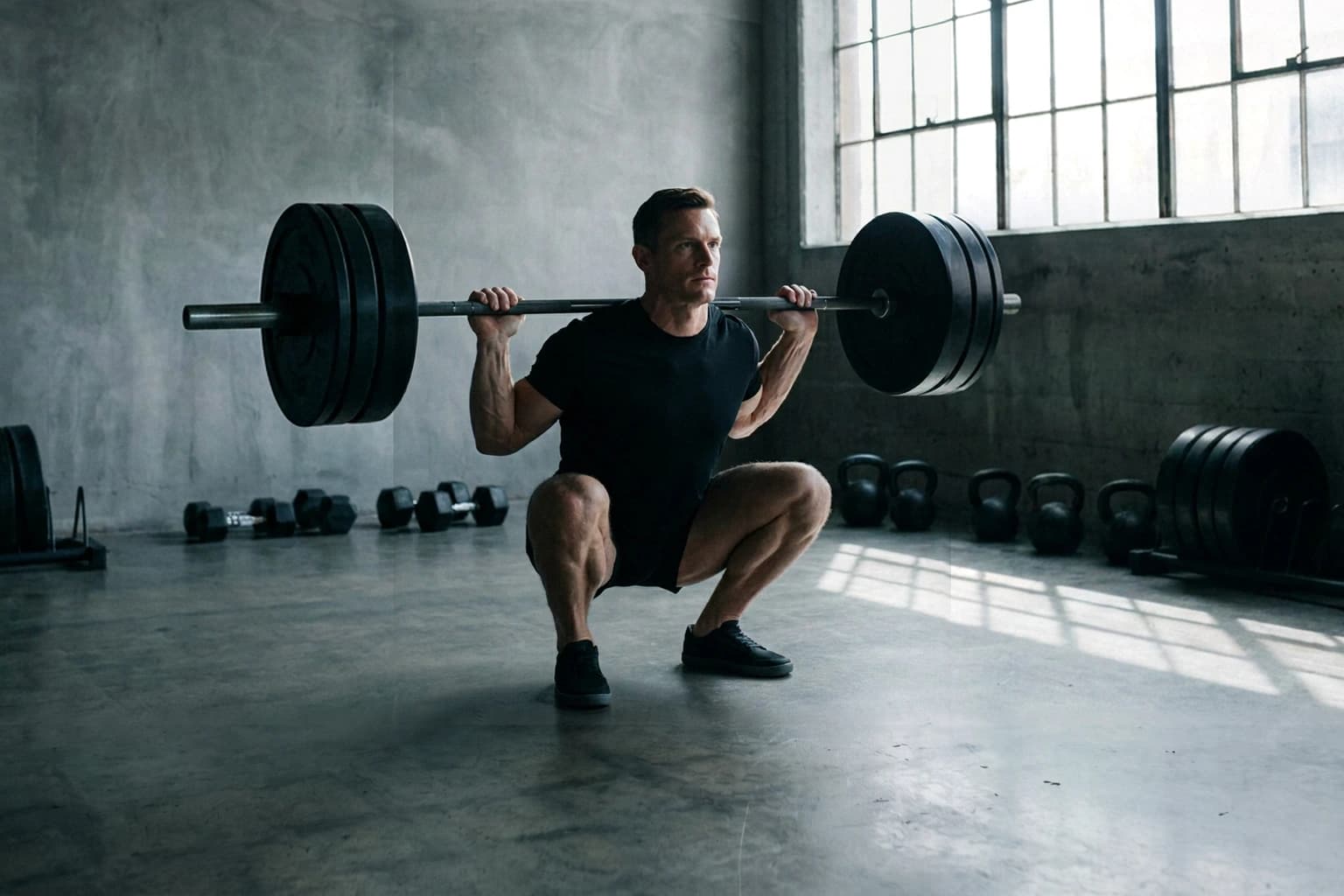
Squat and Romanian deadlift first, then machine work so quads, hamstrings, glutes and calves all get trained.
Dumbbell Back Basics
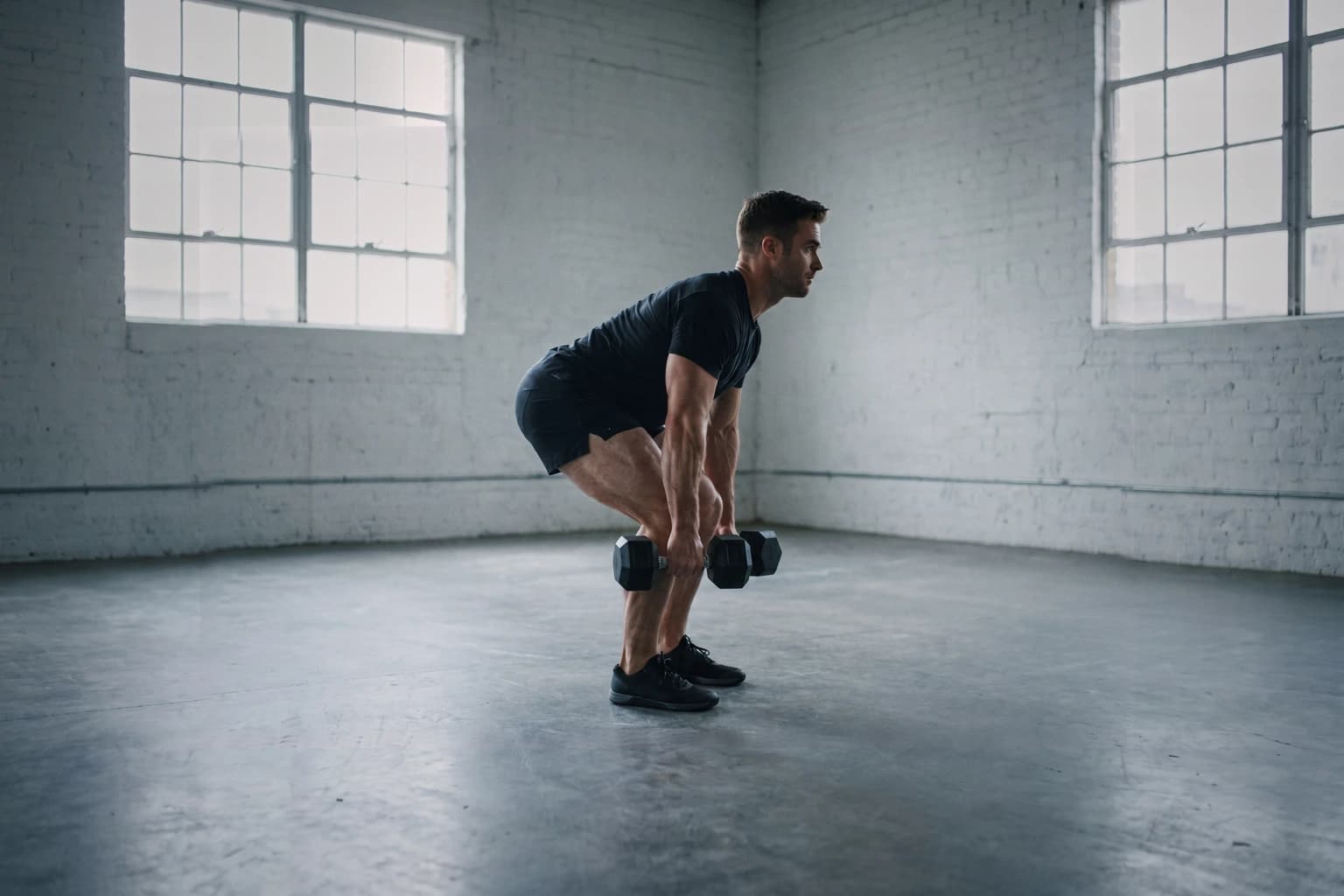
Four easy-to-learn dumbbell and floor moves for the upper back, traps and lower back.
Dumbbell Full Body
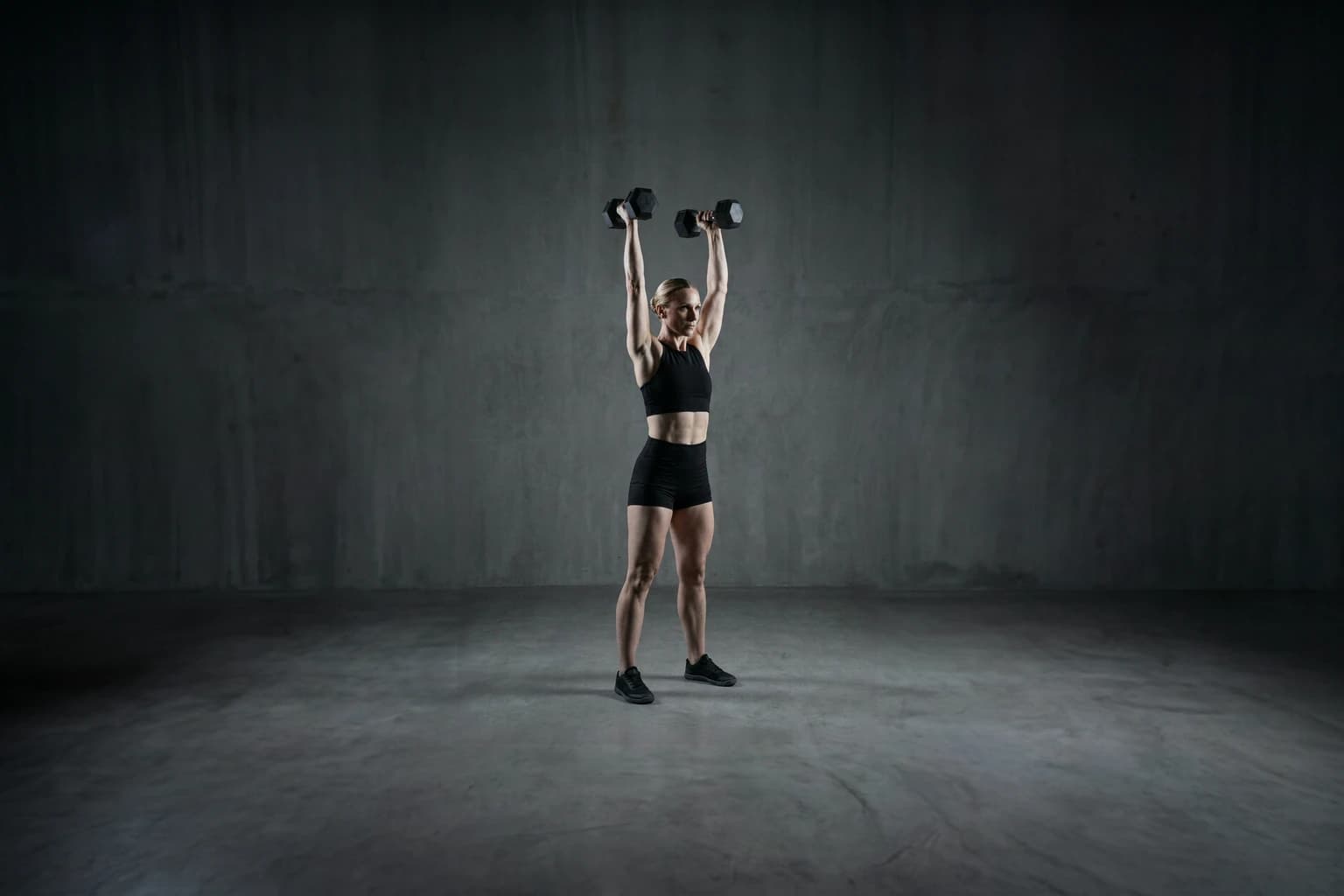
Squat, hinge, row, push and press with one pair of dumbbells, finished with a heavy carry.
See all free workouts or turn a saved workout video into a plan.
Updated 2026-10-24. General fitness information, not medical advice. Stop if an exercise causes pain and ask a qualified professional about an injury or health condition.