FREE MOBILITY WORKOUT
Desk stretches for after a long day of sitting
These desk stretches take you from your neck down to your hamstrings in about 21 minutes. Each hold lasts 30 seconds, and you do every stretch twice. You use your desk chair for one stretch and need a little floor space for the kneeling and lying holds.
The routine is gentle and suits all levels. It is a way to move after hours in one position, not a treatment for pain or injury.
- LevelBeginner
- EquipmentNo equipment
- Time~21 min
- Volume8 exercises · 16 sets
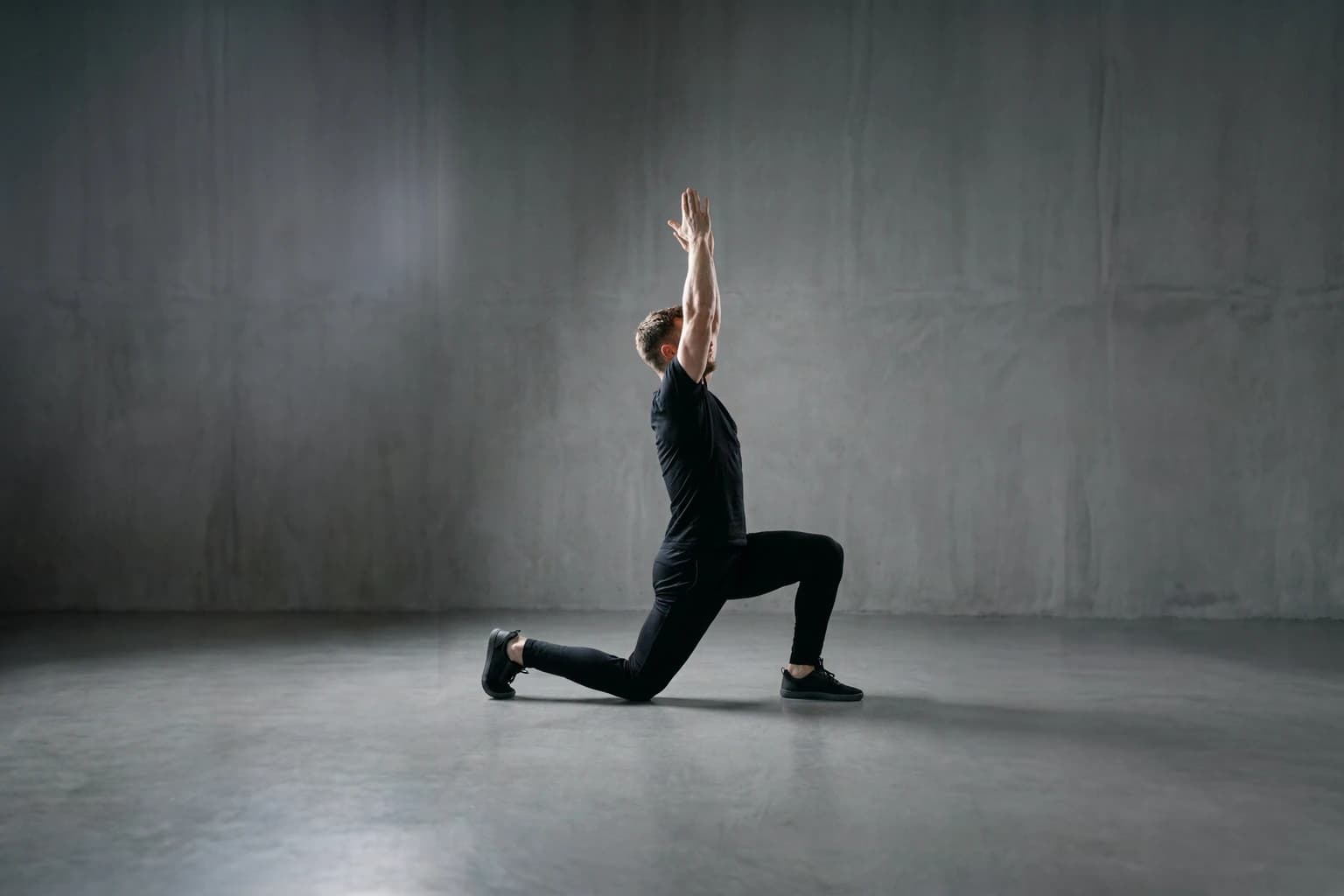
The workout: Desk Reset Stretch
Train the exercises in this order. The time includes a five-minute warm-up.
| # | Exercise | Sets × target | Rest | Cue |
|---|---|---|---|---|
| 1 | Neck Side Stretch | 2 × 30 s per side | 10 s | Each side: ear to shoulder, shoulders down. |
| 2 | Rear Deltoid Stretch | 2 × 30 s per side | 10 s | Each side: pull arm across chest gently. |
| 3 | Upper Back Stretch | 2 × 30 s | 10 s | Clasp hands, reach forward, round upper back. |
| 4 | Kneeling Lat Stretch | 2 × 30 s | 10 s | Hands forward, sit hips back, chest sinks. |
| 5 | Sphinx | 2 × 30 s | 10 s | Forearms down, chest lifts, glutes relaxed. |
| 6 | Lying (Side) Quads Stretch | 2 × 30 s per side | 10 s | Each side: heel to glute, knees together. |
| 7 | Seated Piriformis Stretch | 2 × 30 s per side | 10 s | Each side: ankle on knee, lean forward. |
| 8 | Hamstring Stretch | 2 × 30 s per side | 10 s | Each side: hold thigh, straighten leg slowly. |
How to run the routine
Start with about five minutes of easy movement, such as a short walk around the office or your home, so your body is warm. Then follow the order of the list. It starts at your neck and shoulders, moves down through your back, and ends with your hips and legs.
Five of the stretches work one side at a time: Neck Side Stretch, Rear Deltoid Stretch, Lying (Side) Quads Stretch, Seated Piriformis Stretch and Hamstring Stretch. Hold each side for 30 seconds. Use the 10 seconds of rest between holds to shake out and set up the next position.
How far to stretch
Move into each stretch slowly until you feel a mild pull, then stay still. You should be able to breathe and talk normally. Do not bounce or push deeper with quick movements. A stretch should feel like tension, never like a sharp or burning pain.
Breathe slowly through your nose. On each exhale, let the stretch deepen a little on its own instead of forcing it.
If a stretch causes pain, tingling or numbness, stop and skip it. If discomfort keeps coming back, speak with a doctor or physical therapist.
Notes on three of the holds
For the Neck Side Stretch, tilt your ear toward your shoulder and keep both shoulders low. Let the weight of your head do the work.
For the Upper Back Stretch, clasp your hands, reach them forward and let your upper back round, as if you hug a large ball.
For the Seated Piriformis Stretch, sit on your chair, rest one ankle on the opposite knee and lean forward from the hips with a long spine. If your desk chair has wheels, push it against a wall or use a chair that does not roll.
How often to do it
You can do this routine every day, for example at the end of the workday. On busy days, a few of the holds are better than none, and short walking breaks during the day are a good habit too.
Range of motion tends to change slowly, so regular practice matters more than how hard you stretch in a single session.
Making a stretch easier or harder
To make a hold easier, reduce the range. Lean forward less in the Seated Piriformis Stretch, or keep a small bend in the knee during the Hamstring Stretch. If the floor feels hard for the Sphinx or the Kneeling Lat Stretch, use a mat or a folded towel. To progress, hold for 45 seconds instead of pushing deeper.
Related workouts
Hip & Spine Flow
A moving flow for hips, hamstrings and spine that works as a rest-day session or a long warm-up.
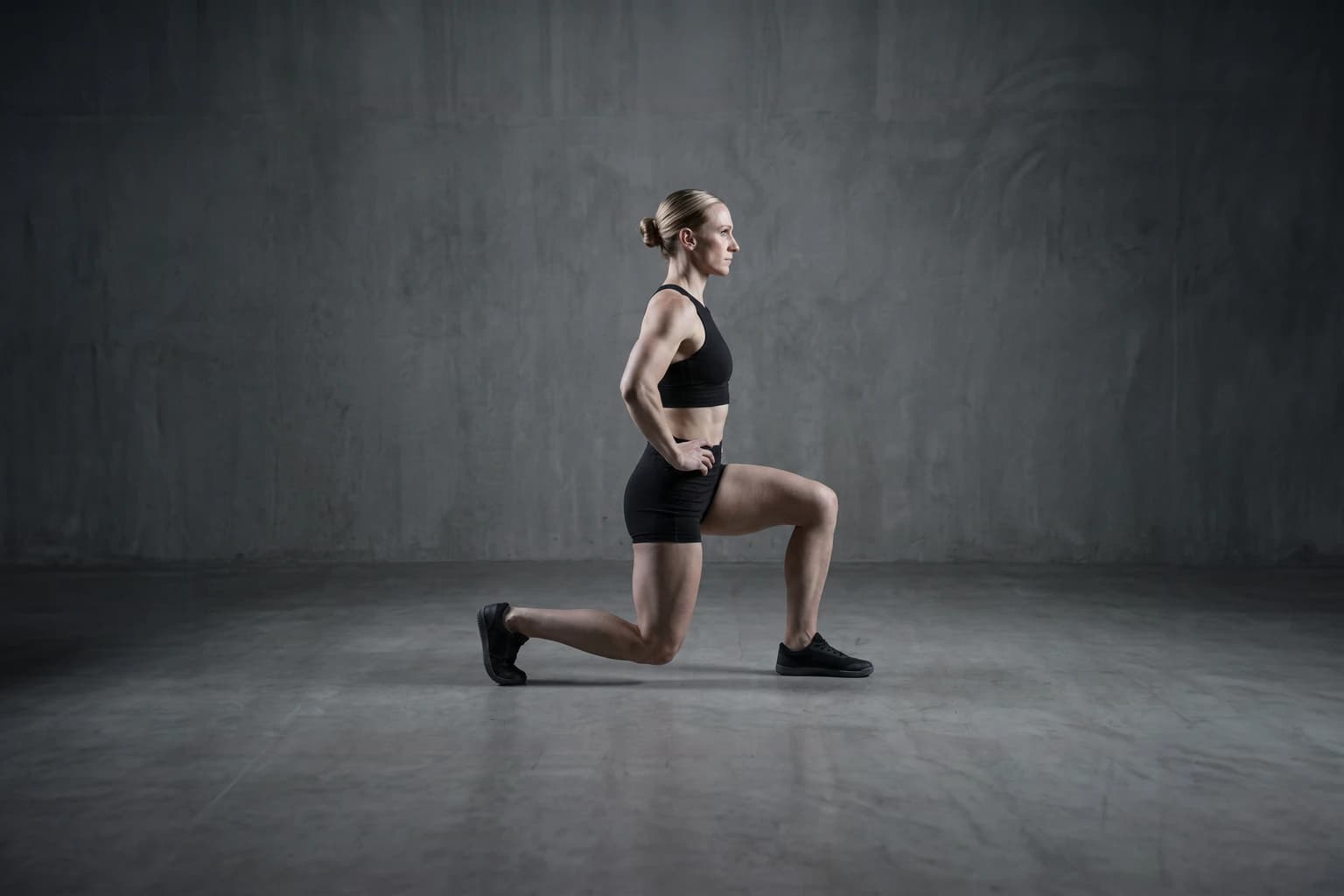
Anywhere Full Body
A no-equipment session that trains legs, chest, glutes, lower back and core.
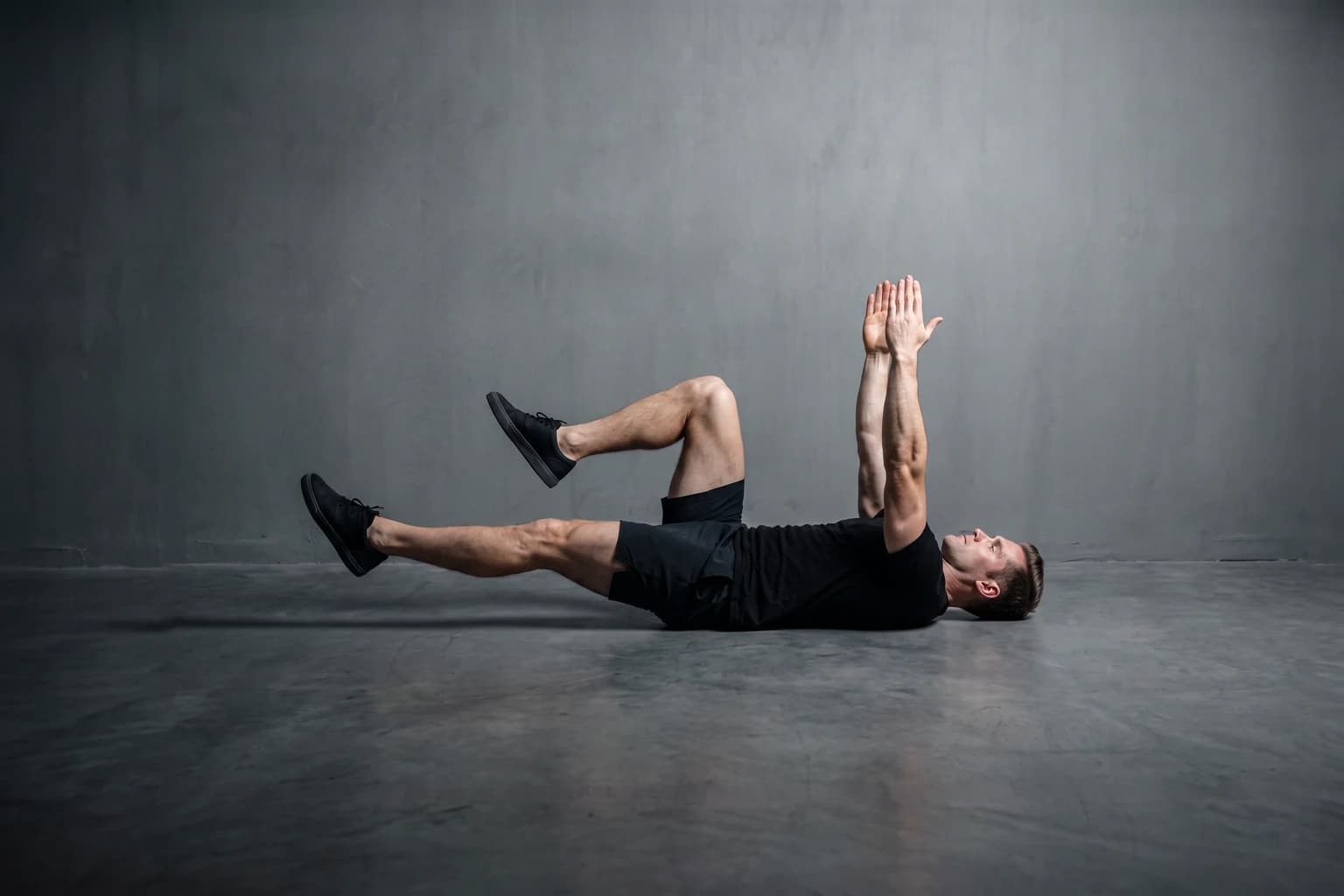
Core Burner
Five core moves for the front and sides of your trunk, finished with mountain climbers.
See all free workouts or turn a saved workout video into a plan.
Updated 2026-10-24. General fitness information, not medical advice. Stop if an exercise causes pain and ask a qualified professional about an injury or health condition.