FREE MOBILITY WORKOUT
No-equipment hip and spine mobility routine
This hip and spine mobility routine moves your hips, hamstrings and spine through eight timed exercises in about 22 minutes. You need no equipment, only a mat or a soft floor and room to lie down.
Use it on a rest day, or as a long warm-up before a lower-body session. It is rated intermediate, so positions such as the Inchworm and the Upward Facing Dog can feel demanding at first.
- LevelIntermediate
- EquipmentNo equipment
- Time~22 min
- Volume8 exercises · 16 sets
The workout: Hip & Spine Flow
Train the exercises in this order. The time includes a five-minute warm-up.
| # | Exercise | Sets × target | Rest | Cue |
|---|---|---|---|---|
| 1 | Inchworm | 2 × 40 s | 15 s | Walk hands to plank, then back. |
| 2 | Squat To Overhead Reach With Twist | 2 × 40 s | 15 s | Sit deep, rise, reach, alternate twists. |
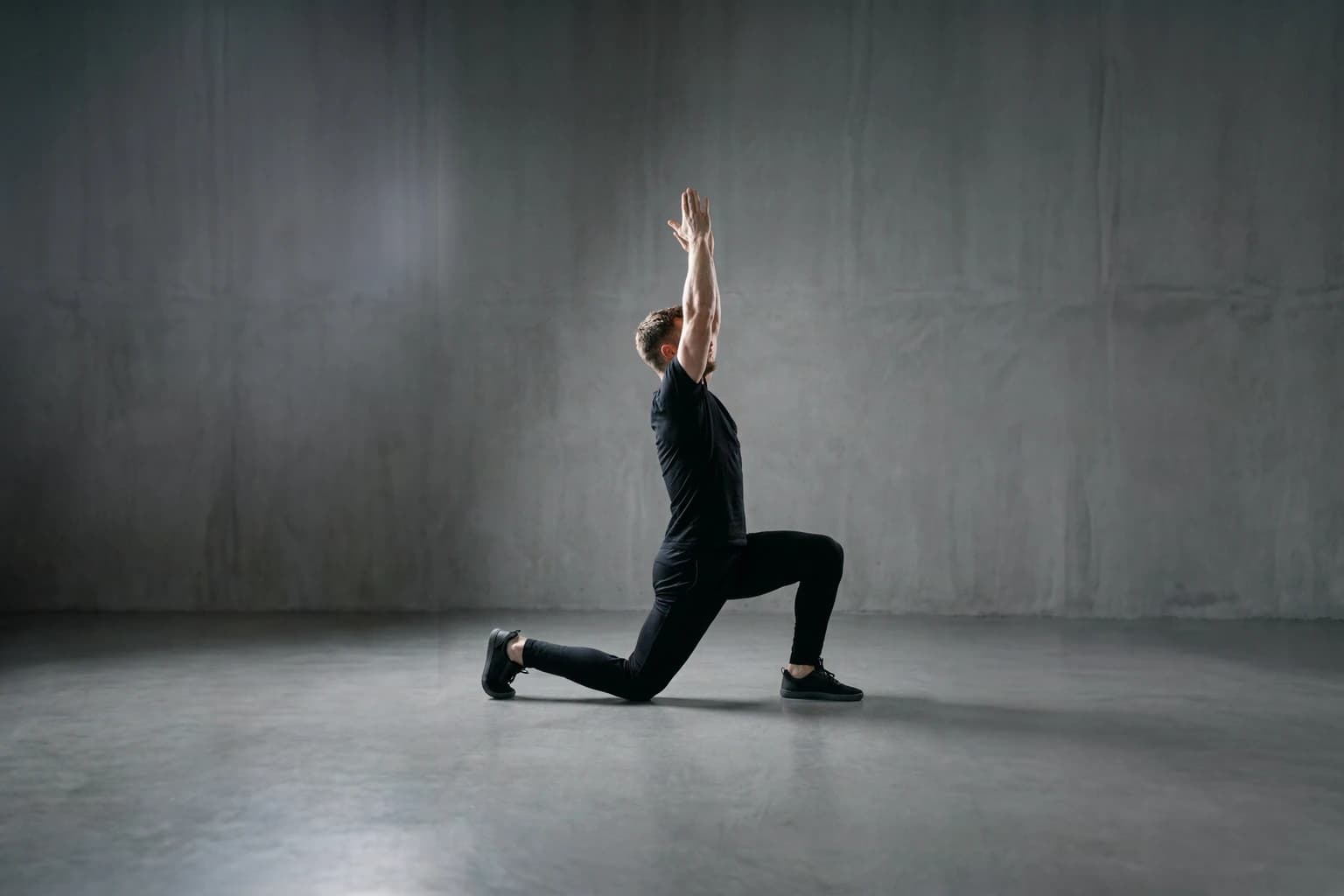
| 3 | World Greatest Stretch | 2 × 30 s per side | 15 s | Each side: lunge low, hands down, move slowly. |
| 4 | Runners Stretch | 2 × 30 s per side | 15 s | Each side: front leg straight, fold forward slowly. |
| 5 | Upward Facing Dog | 2 × 30 s | 15 s | Press floor away, shoulders down, chest open. |
| 6 | Iron Cross Stretch | 2 × 40 s | 15 s | Shoulders down; cross one leg over, alternate. |
| 7 | Seated Glute Stretch | 2 × 30 s per side | 15 s | Each side: hug knee to chest, sit tall. |
| 8 | Butterfly Yoga Pose | 2 × 45 s | 15 s | Soles together, sit tall, knees relax down. |
How to run the flow
Start with five minutes of easy movement, such as marching in place and arm circles. Then do two rounds of each exercise in order, with 15 seconds of rest between sets. The Inchworm and the Squat To Overhead Reach With Twist come first because they move the whole body. The later exercises are slower and closer to the floor.
Three exercises are timed for each side: the World Greatest Stretch, the Runners Stretch and the Seated Glute Stretch, at 30 seconds a side. In the Iron Cross Stretch, you alternate legs within the 40 seconds.
Gentle range and steady breathing
Move into each position until you feel a clear stretch, not pain. Do not bounce at the end of the range. Slow, controlled movement lets your muscles relax into the position.
Breathe slowly and let each exhale take you a little deeper. If you notice that you hold your breath, you are pushing too hard. Ease off until you can breathe calmly again.
Notes on three key positions
In the World Greatest Stretch, step into a low lunge and put both hands on the floor. Move slowly between positions, and rest your back knee on the mat if that feels better.
In the Runners Stretch, keep the front leg straight and fold forward from the hips with a long back. You should feel it in the back of the thigh, not in the lower back.
In the Upward Facing Dog, press the floor away, keep your shoulders down away from your ears and open your chest. If your lower back feels pinched, bend your elbows and lift less.
Stop on pain
A stretch should feel like mild tension that eases as you hold it. Sharp, pinching or radiating pain is a signal to stop that exercise. If a position keeps causing pain, skip it and ask a doctor or physical therapist before you try it again.
How often to do it and how to progress
This routine does not load your muscles hard, so you can do it on most days. Two to four times a week is a practical target. Regular short sessions do more than one long session now and then.
To progress, hold each position a few seconds longer, or add a third round when two rounds feel easy. Your range changes from day to day, so compare over weeks, not single sessions.
Related workouts
Desk Reset Stretch
Gentle holds from neck to hamstrings to ease a long day of sitting, using your desk chair for one stretch.
Anywhere Full Body
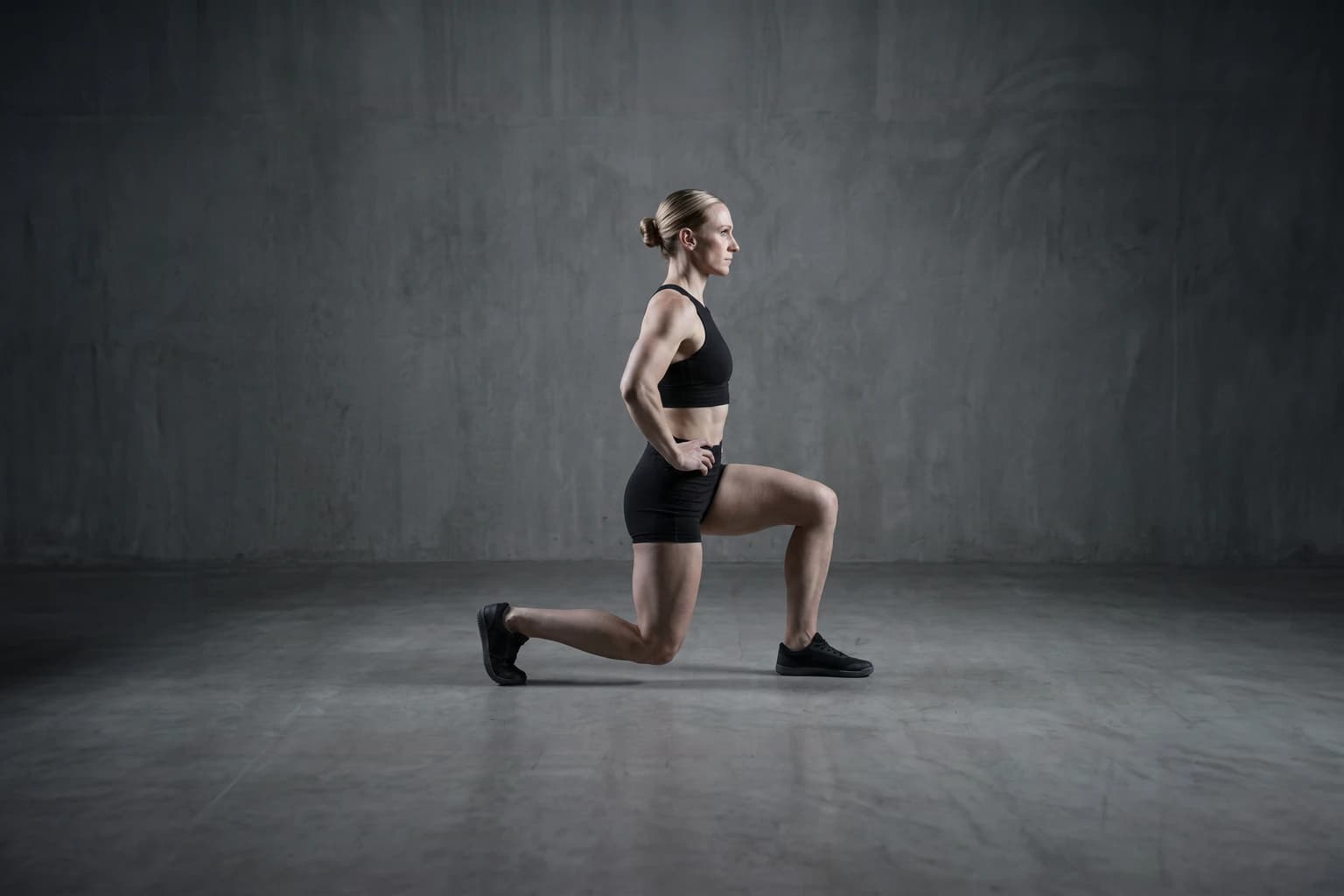
A no-equipment session that trains legs, chest, glutes, lower back and core.
Core Burner
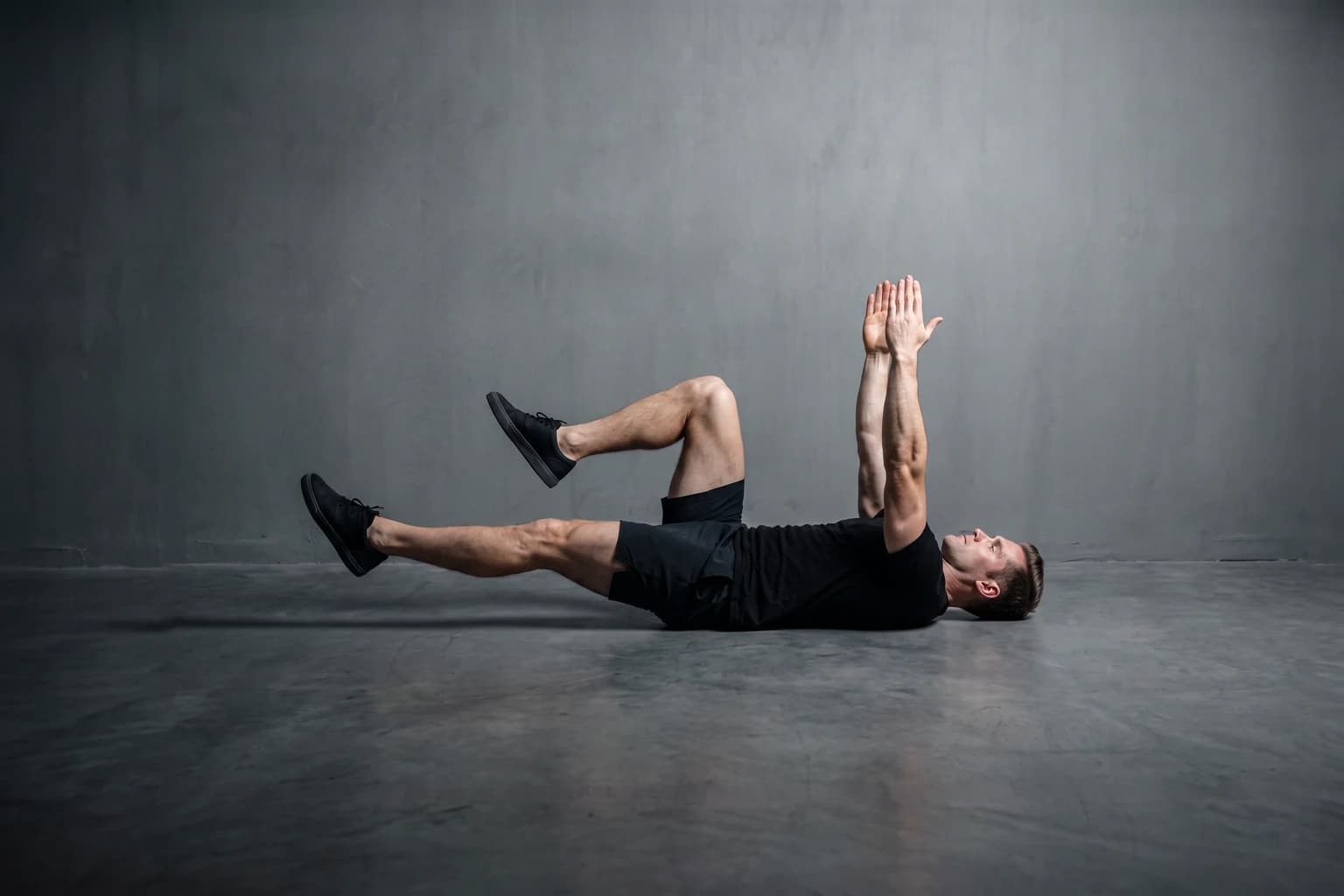
Five core moves for the front and sides of your trunk, finished with mountain climbers.
See all free workouts or turn a saved workout video into a plan.
Updated 2026-10-24. General fitness information, not medical advice. Stop if an exercise causes pain and ask a qualified professional about an injury or health condition.